

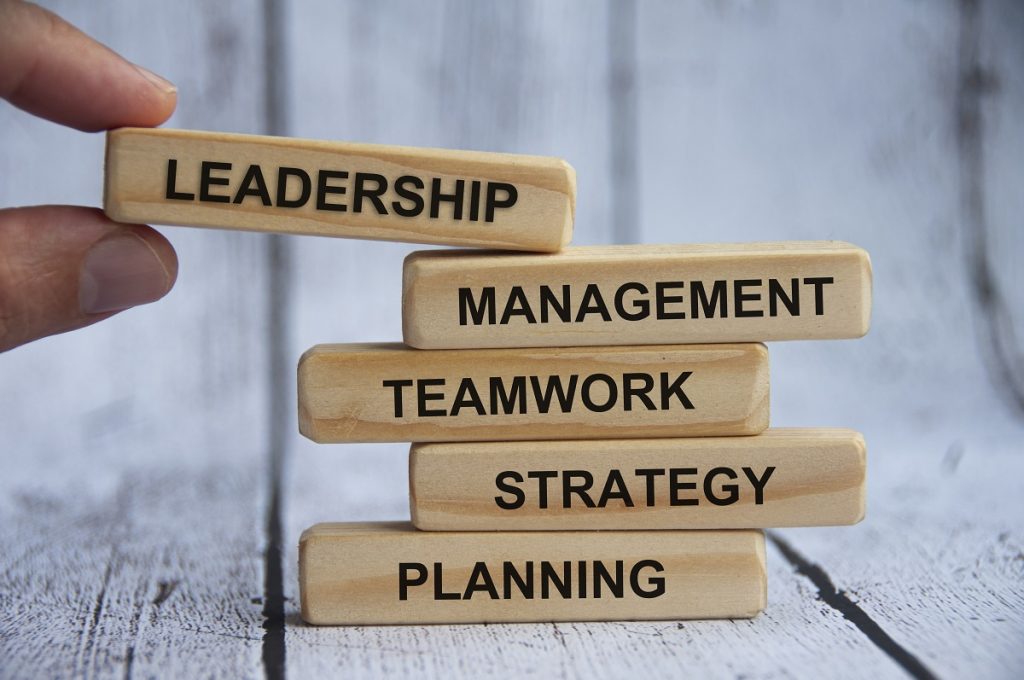
In the current economic environment, organizations are looking for rapid, yet enduring ways to improve operations. Most of the companies I talk to have experienced a wide spectrum of business conditions over the past three years, and right now they are grappling with run-away inflation and are looking for every opportunity to identify and reduce or eliminate losses. At the same time, many of our companies have seen unprecedented employee churn at all levels of the hierarchy, including front line and middle leadership.
During the pandemic and “The Great Resignation,” smart organizations promoted from within to cope with employee turnover–and continue to do so. This is a great strength. However, there is a significant downside: in this scenario, even though front line leaders may be experts at processes and operations, many are not strong leaders. This poses a threat to improving operational performance.
In 2020, there were many layoffs; in 2021 and 2022, our organizations experienced very tough recruiting and retention climates. As a result, it’s not uncommon to have large numbers of new employees who came from other industries. One client location I serve has nearly 75% new employees (within the past 2 years) on the manufacturing floor with less than ideal understanding of processes, machines, and safety. The result was lower quality, productivity, and throughput as well as more rework, safety incidents, and firefighting. These employees need strong leadership, mentoring, coaching, and development than many companies are equipped to provide.
For operational performance improvement, a vital and often overlooked step is to assess and improve front line leadership. With the knowledge gained through a strong assessment, you can then plan and conduct appropriate leadership development for front line leaders as soon as possible. The assessment will tell you where your biggest opportunities are and may include:
- How to lead former co-workers
- Modeling leadership behaviors
- Building trust and respect
- Clearly communicating expectations
- Situational coaching skills
- Managing and supporting change initiatives
- Managing conflict
- Team motivation and engagement
- Holding people accountable
Having an outside consultant to do your assessment is recommended—someone who is independent of your location or organization. If your organization is having challenges related to leadership, trust may be low; and using someone from outside your organization will help build trust in the process and demonstrate to employees that your organization is serious about equipping them for operational performance.
Once the assessment is complete, your organization will have a better sense of what it needs to do, and which resources have the credibility to best develop your leaders. The solution may be different for every organization. In one organization this year, my team was working with the location to improve operational performance, implement a daily management system, create and implement standard work for front line leaders, but the company used an internal resource to develop front line leaders. That internal operations leader holds bi-weekly leadership development sessions with Leads and Supervisors, and he is doing a great job.
Front line leaders are key in improving operational performance, and organizations must invest in their leadership capabilities.
If you’d like a complimentary 60 minute strategy session to discuss how your organization can address front line leadership challenges, please contact me or message me in LinkedIn.