
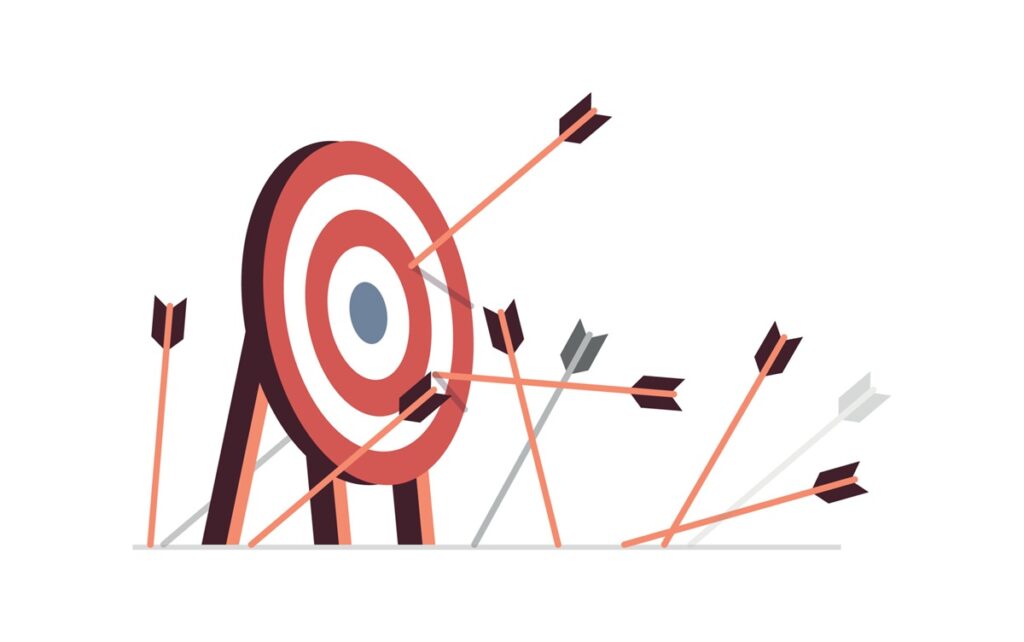
One of the questions I often ask leadership teams is surprisingly simple:
“What are the three most important things your organization needs to improve?” The answers come quickly.
- “We need to improve communication.”
- “We need to develop our supervisors.”
- “We need to reduce lead times.”
- “We need better cross-functional collaboration.” “We need to become more proactive.”
The conversation rarely stalls because leaders don’t know what needs to improve. In fact, most organizations have a remarkably accurate understanding of their biggest challenges.
So why do so many struggle to make meaningful, lasting progress?
After more than twenty years working with manufacturers, I’ve come to believe that the problem usually isn’t a lack of knowledge. It’s a lack of organizational execution.
Most Organizations Already Know What to Do
Manufacturing leaders today have access to more information than ever before. There are books on Lean, Six Sigma, operational excellence, change management, leadership, employee engagement, performance management, organizational design, and virtually every other management topic imaginable.
Need to improve quality? There are proven methods.
Need to reduce waste? Proven methods.
Need to strengthen leadership? Proven methods.
The knowledge exists, and the tools and ideas are readily available. The challenge is something else entirely. The challenge is turning knowledge into consistent organizational behavior.
Activity Is Not the Same as Progress
When organizations struggle to improve, the instinct is often to do more. Launch another initiative. Schedule another meeting. Form another team. Hire a consultant. Provide more training. Create another dashboard.
These activities create movement, but movement isn’t necessarily progress. I’ve seen organizations working incredibly hard while making very little meaningful improvement even though everyone is committed, and everyone is trying. Yet the organization continues to produce the same results.
So what’s the issue? The effort and energy is being absorbed by the organization instead of being translated into execution.
Organizations Execute, Not Individuals
One of the biggest misconceptions about execution is that it’s primarily an individual responsibility. We tell people to be more accountable and more engaged.
However, people don’t execute in isolation. Talented supervisors can only make decisions that the organization allows them to make. A motivated employee can only solve problems within the systems, priorities, and authority they’ve been given. A leadership team can launch a new initiative, but if the organization isn’t designed to support it,that initiative will eventually compete with every other priority already on people’s plates.
That’s why two organizations can adopt the same improvement methodology and achieve dramatically different results. The difference isn’t usually the methodology. It’s the organization’s capacity to execute.
The Question We Should Be Asking
Perhaps the most important question isn’t: “What should we improve next?” Most leadership teams already know the answer.
A more useful question is: “What makes improvement so difficult in our organization?”
That question shifts the conversation. Instead of looking only at processes, we begin examining the organization itself.
- Are priorities clear?
- Are decisions made quickly?
- Do departments work together effectively?
- Do leaders consistently reinforce the same expectations?
- Does the organization make it easy for good ideas to become everyday practice?
Those questions can’t produce quick fixes, but they reveal why improvement efforts succeed in some organizations and quietly fade away in others.
Execution Is an Organizational Capability
The highest-performing organizations I’ve worked with weren’t necessarily the ones with the most talented people or the most sophisticated improvement programs.
What set them apart was something less obvious. They had built organizations that could consistently execute. Ideas became actions. Actions became habits, and habits created culture.
How did this happen? Leadership paid as much (or more) attention to how the organization worked as they did to what the organization was trying to accomplish.
Looking Ahead
In my experience, organizations rarely fail because they lack good ideas. More often, they struggle because invisible barriers within the organization make execution harder than it should be. Those barriers don’t appear on financial statements or operational dashboards, yet they quietly consume time, energy, and opportunity every day.
In my next blog, I’ll introduce a concept I call organizational friction. It’s made up of the hidden obstacles that slow decision-making, dilute accountability, and prevent good organizations from achieving the results they’re are capable of delivering.
For a complimentary 60-minute strategy session for creating your organization’s path forward toward better operations, please email me or message me in LinkedIn .