

Managers can unintentionally — or even intentionally — undermine teamwork in several different ways, but one behavior that stands out is how managers or team members address conflicts within the team. [Read more…]
Managers can unintentionally — or even intentionally — undermine teamwork in several different ways, but one behavior that stands out is how managers or team members address conflicts within the team. [Read more…]
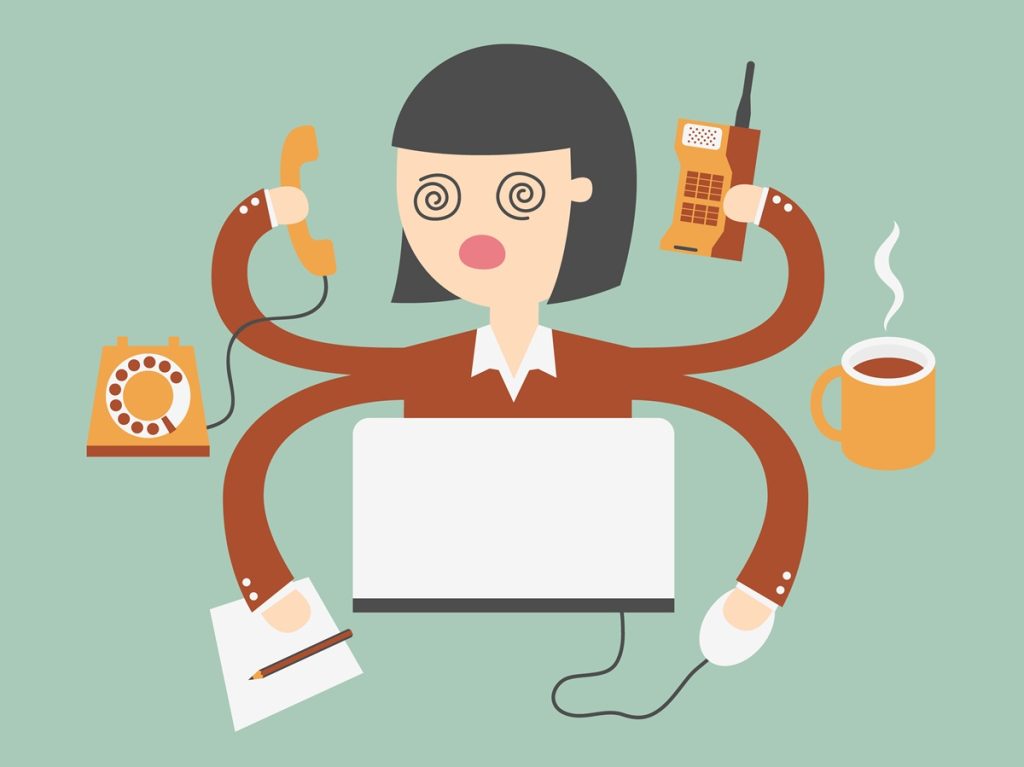
In recent years, organizations of all sizes and at all stages of development have faced competitive, excruciating external pressures in dealing with disruption and economic upheaval. At the same time, employees have come to demand a kinder, gentler workplace with managers and supervisors who demonstrate more compassion. The result is a disturbing trend. I want to say that managers and supervisors “balance” too many responsibilities, but it goes further than that. These leaders have more and more tasks and responsibilities assigned to them—often far too many to execute.

The other day, a manager asked me, how long do we have to keep being compassionate and understanding? When can we go back to the way it used to be? I laughed and said, “We may never go back to the way it used to be.” Even though the pandemic shows the first signs of waning, uncertainty still abounds. Leaders and employees across all levels of the hierarchy tell me they are worn out and burned out. McKinsey, HBR, Kron Ferry: the experts are telling us that compassionate accountability is here to stay. Some managers and leaders fear that compassionate accountability means not getting results—that it means giving in and weakening standards and deadlines. It doesn’t have to. [Read more…]

Different experts predict that roughly 80-90 percent of employers plan to have their workforces return to the office during Q3 of this year, most with hybrid work, and employees are feeling anxious about it. There are three reasons. Part of the anxiety stems from burnout from the entire COVID work-from-home experience, with employees feeling as if they must be “on” all the time. Second, there is the stress and uncertainty over the culture shock of going back to an environment where employees have not been for 15 months. Third, employees are reporting that their employers have not communicated the vision for the return to work/hybrid work, much less the details.
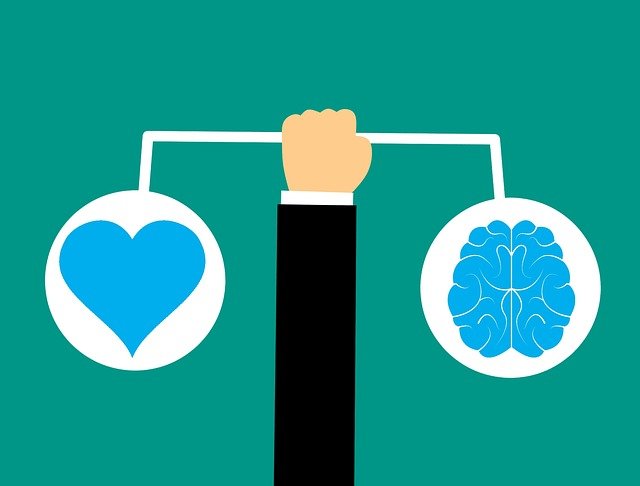
Does kinder, gentler leadership abdicate accountability?
Our experiences in 2020 and 2021 have taught us that leading others has taken on added dimensions requiring the use of stronger soft skills while also managing remotely. Researchers and experts are telling us that a kinder, gentler leader is here to stay. In watching your inbox over the past year, you saw many articles about the need for compassionate and caring leadership and management through times of turmoil. If your career has seen a lot of forceful, dominant, invincible leaders (or if you are one), this new, more compassionate type of leadership may be unfamiliar territory. [Read more…]

This is a strange time for American workers. Some employees are still working from home, which had long been perceived as an employment perk. Yet, when Work from Home (WFH) comes as a result of a continuing pandemic, employees may wonder if they are out of the loop or if they will be left out of promotion opportunities, especially if some employees have returned to the office. At the same time, employees who have returned are wondering if they are jeopardizing their health. In this time of extended uncertainty and complexity, how do you improve your management of performance?
There are two key facets: clarity and consistency.

We are well on our way to the 6-month mark of our COVID response. It has been encouraging to see how countless organizations have pivoted their products, and services while totally re-imagining how their employees work in this Work from Home (WFH) environment. Leadership and HR did an amazing job in planning and creating strategies.
Back in March, organizations that were not shut down realigned themselves and juggled resources to support the new environment. I daresay a good percentage of organizations did not foresee that these changes would be long-lasting and far-reaching, but here we are just days from September with hot spots emerging in both rural and metropolitan areas. Across the country parents are finding that the remote learning of the children will continue into the fall or later, keeping many parents at home. Where do we go now with our organizational planning since it looks like COVID-19 does not seem to be going away any time soon? [Read more…]

In a recent Wall Street Journal article, Chip Cutter discusses the downsides of remote work, and he states: “Projects take longer. Training is tougher. Hiring and integrating new employees, more complicated.” He makes a compelling argument about the negative consequences of remote work, and I especially buy into the idea that developing youngest or newest employees is a huge challenge right now. However, when it comes to teams and team performance, I can’t help asking, “Are the team struggles we’re seeing during COVID inherent to working remotely?” Honestly, I don’t believe so. [Read more…]
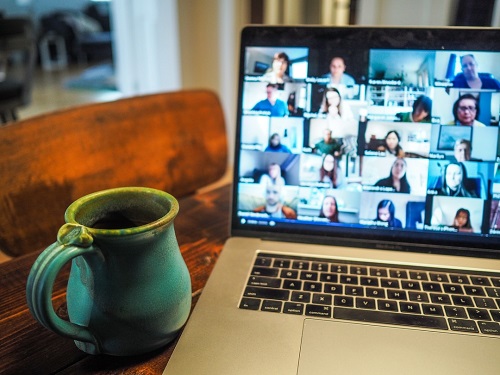
There are many underpinnings that should be part of team performance–from team contracting and team structure to the performance challenge you give to the team as its purpose. However, another vital component to high performance in teams is related to the types of meetings they have. To have high performing teams, they need to be engaged. In a recent FastCompany webinar, Keith Ferrazzi reported that 71% of teams say they do not collaborate, and 74% of team members say that they are incapable of speaking their minds in their team meeting. These data points show that teams are not performing as they should and they may not be teams at all. [Read more…]
Many organizations have found that this time during the Coronavirus response is a good time to rethink their organizations and “reboot” their teams – taking them to a higher level of performance. Whether your organization’s teams continue to work remotely or have returned to the workplace, there are several things you can do to take your teams to a higher level.